Water Damage Restoration
24/7 rapid water extraction, structural thermal drying, and moisture mitigation across Dallas.
Learn Service DetailsFrom destructive winter freeze pipe ruptures in attic manifolds to subterranean slab leaks shifting in North Texas clay, our emergency dispatch network deploys certified restoration crews equipped on-site in 60 minutes.
Certified emergency crews on standby across all 50 Dallas ZIP codes.
When water breaches your home or facility, the clock starts instantly. In North Texas, where high relative humidity averages between 65% and 80% during summer downpours and winter storms bring sudden sub-freezing polar vortex snaps, untreated moisture creates compounding structural and microbial disasters. Within 24 to 48 hours, porous drywall wicks stagnant water upwards, hardwood floors cup and buckle, and dormant microbial mold spores germinate into toxic colonies.
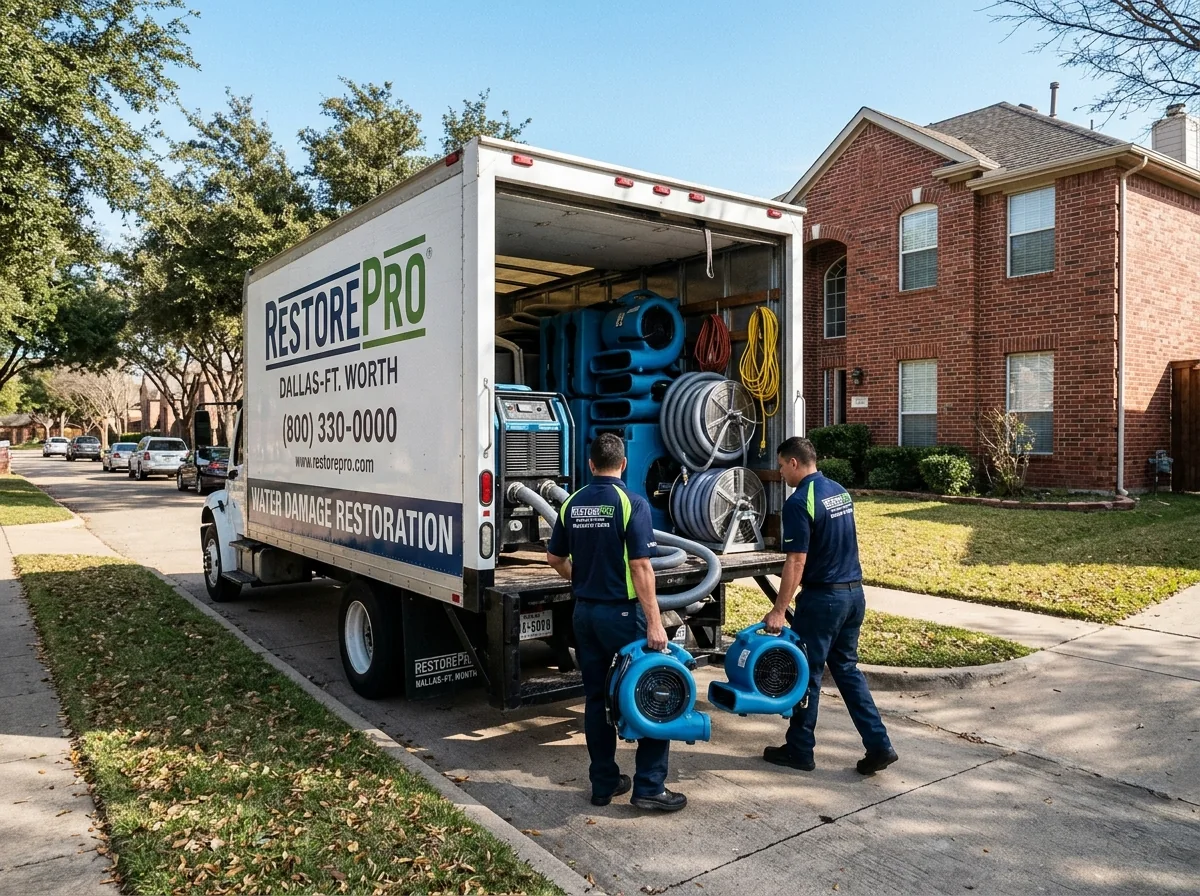
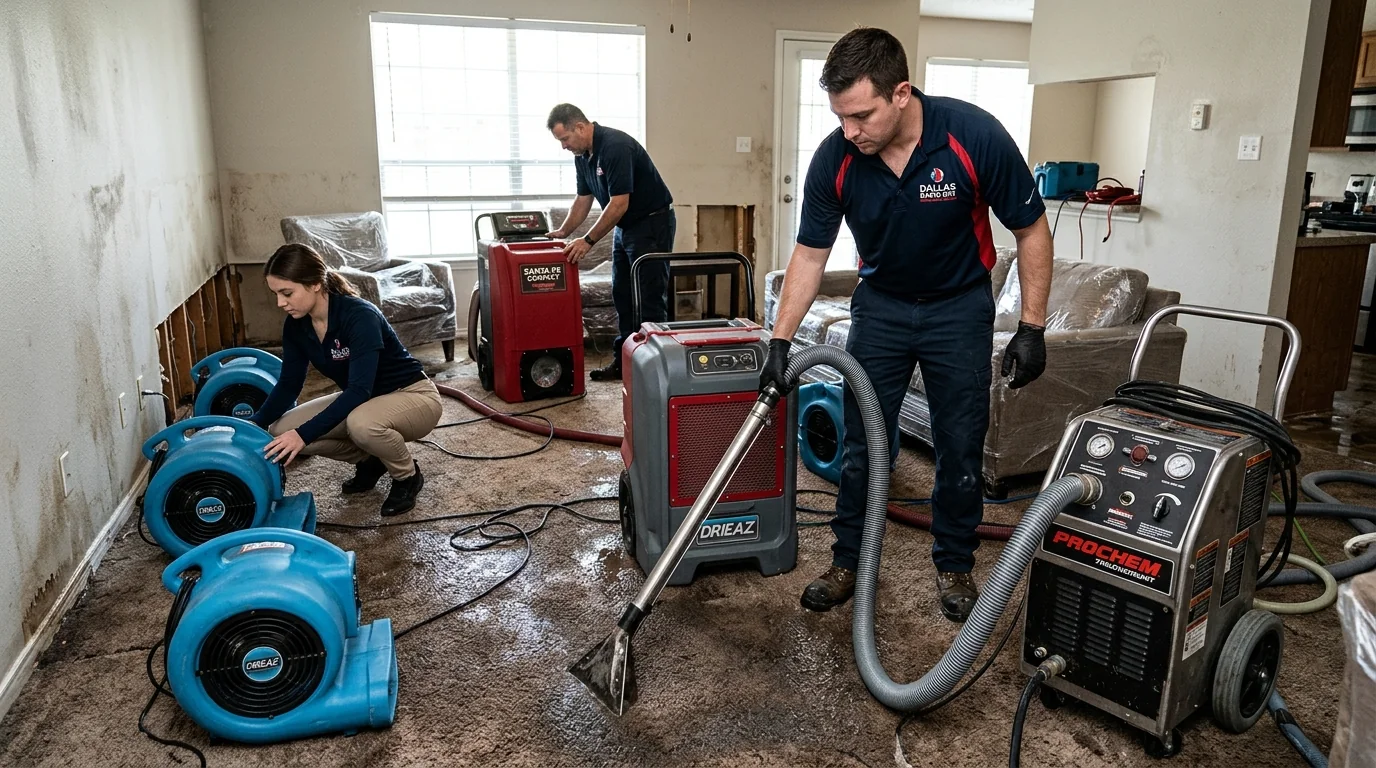
Our dedicated local referral network routes your emergency directly to vetted, certified emergency crews equipped with high-volume truck-mounted extraction wands, LGR (low-grain refrigerant) commercial dehumidifiers, and high-velocity axial air movers. Whether dealing with catastrophic burst pipes in an attic, sewage backflows in Oak Cliff, or foundation slab leaks in Preston Hollow, our teams stabilize your structure, safeguard salvageable belongings, and document the entire loss for seamless insurance reimbursement.
Average Dallas On-Site Arrival Window
IICRC S500 Standard Compliance
Every water emergency presents unique challenges based on water classification and contamination levels. Explore all 16 specialized services below or contact dispatch for immediate triage.
24/7 rapid water extraction, structural thermal drying, and moisture mitigation across Dallas.
Learn Service Details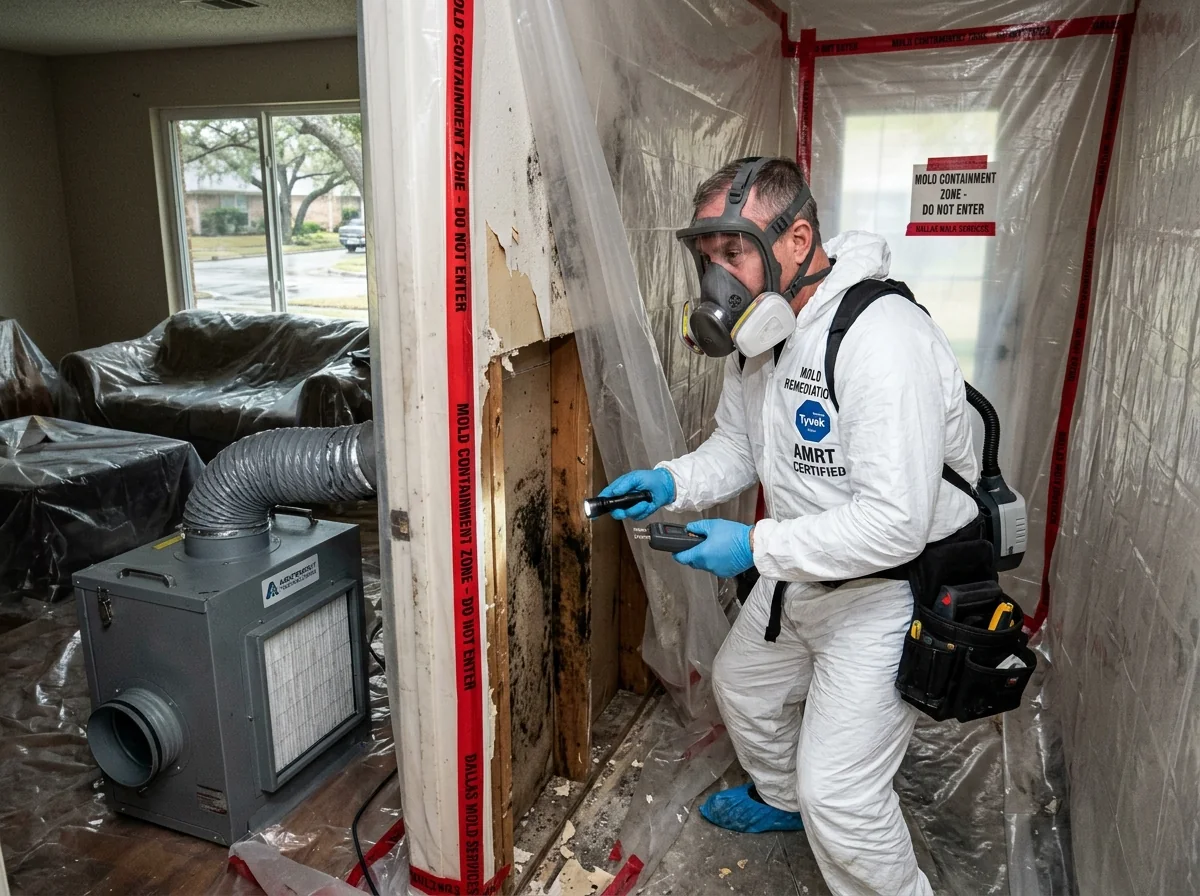
IICRC-certified containment, negative air HEPA filtration, and antimicrobial spore clearance.
Learn Service Details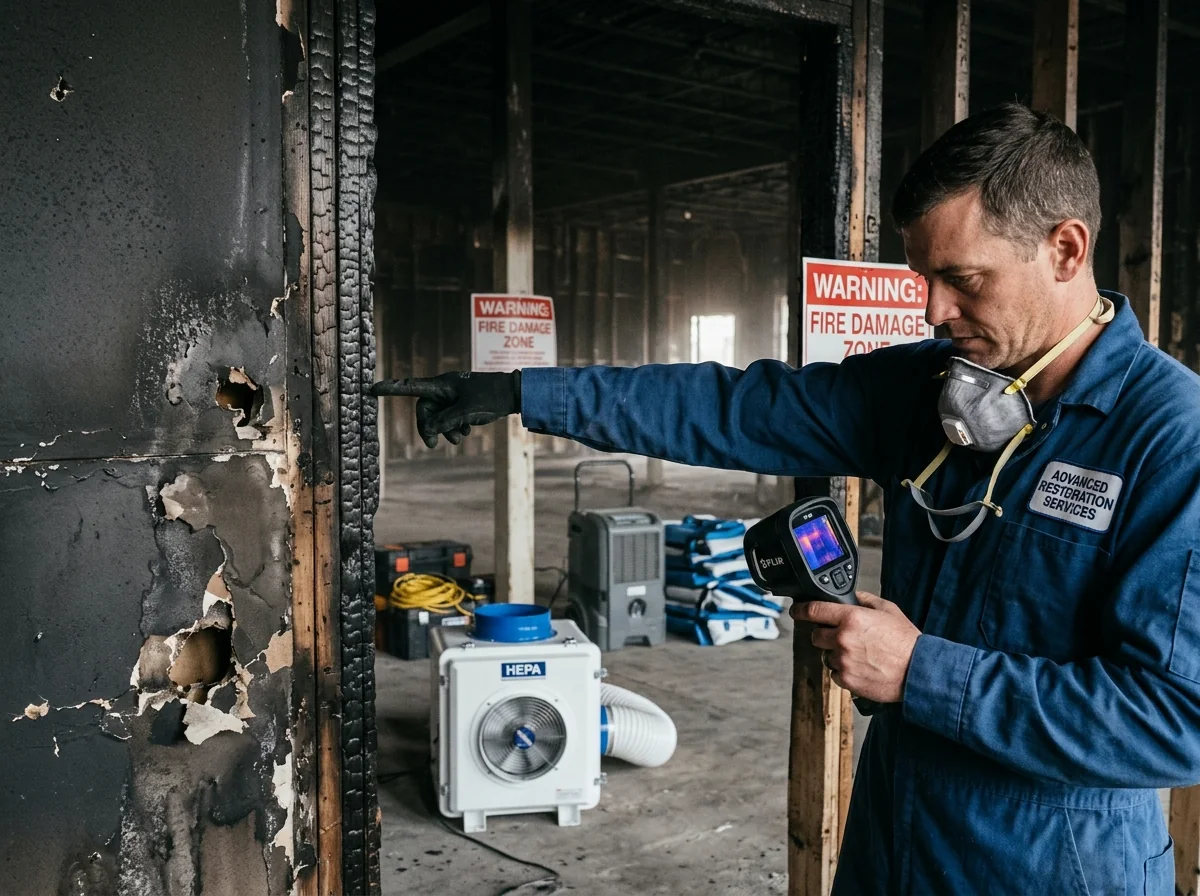
Thermal soot removal, structural timber stabilization, and ozone smoke odor elimination.
Learn Service Details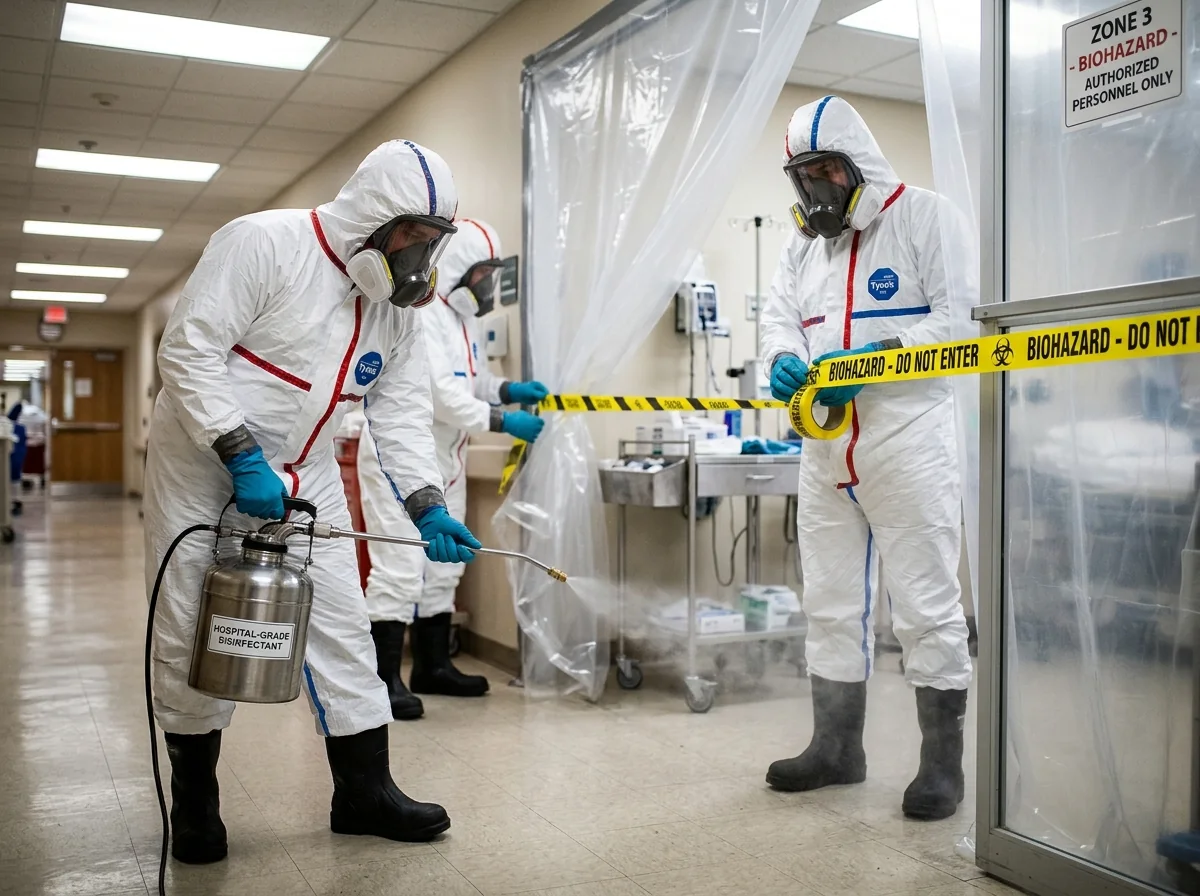
Hospital-grade chemical decontamination, trauma remediation, and hazardous waste disposal.
Learn Service Details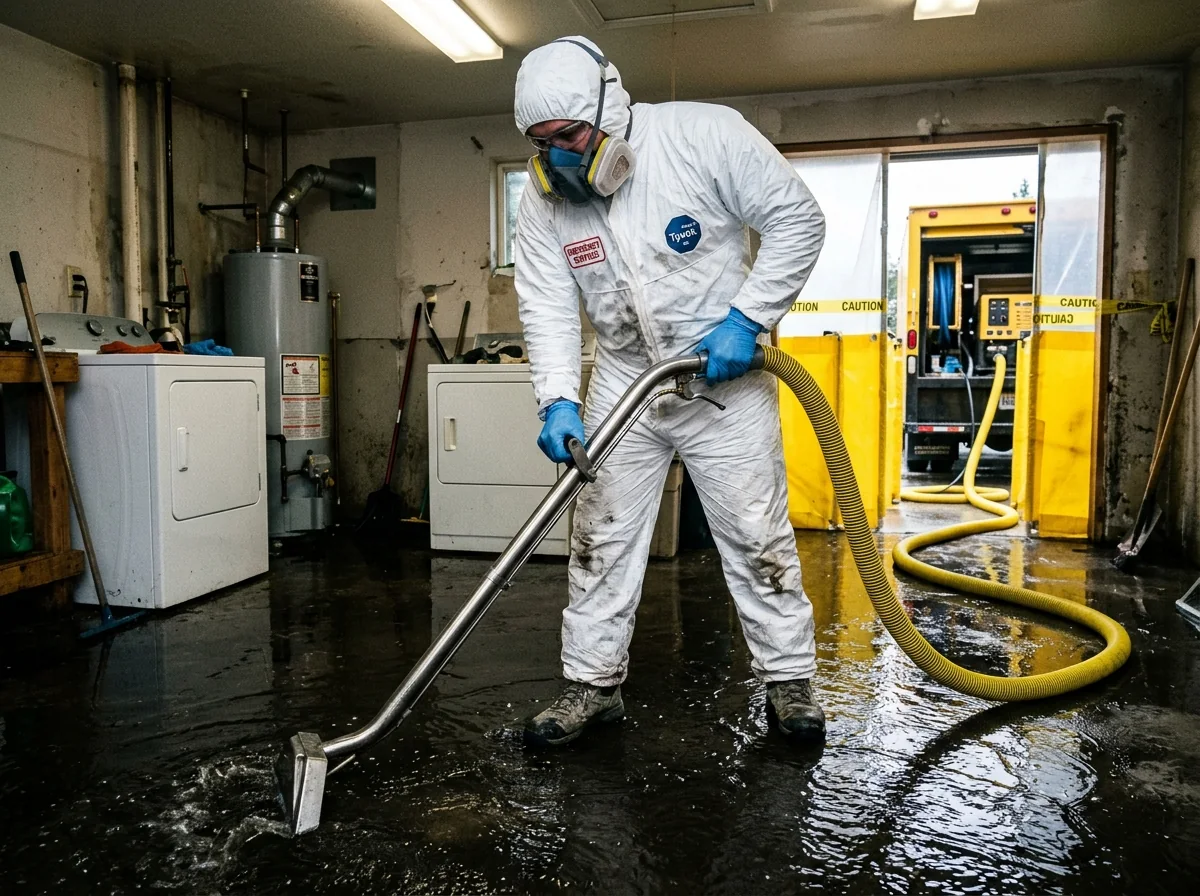
Category 3 black water extraction, deep sanitation, and antimicrobial floor decontamination.
Learn Service Details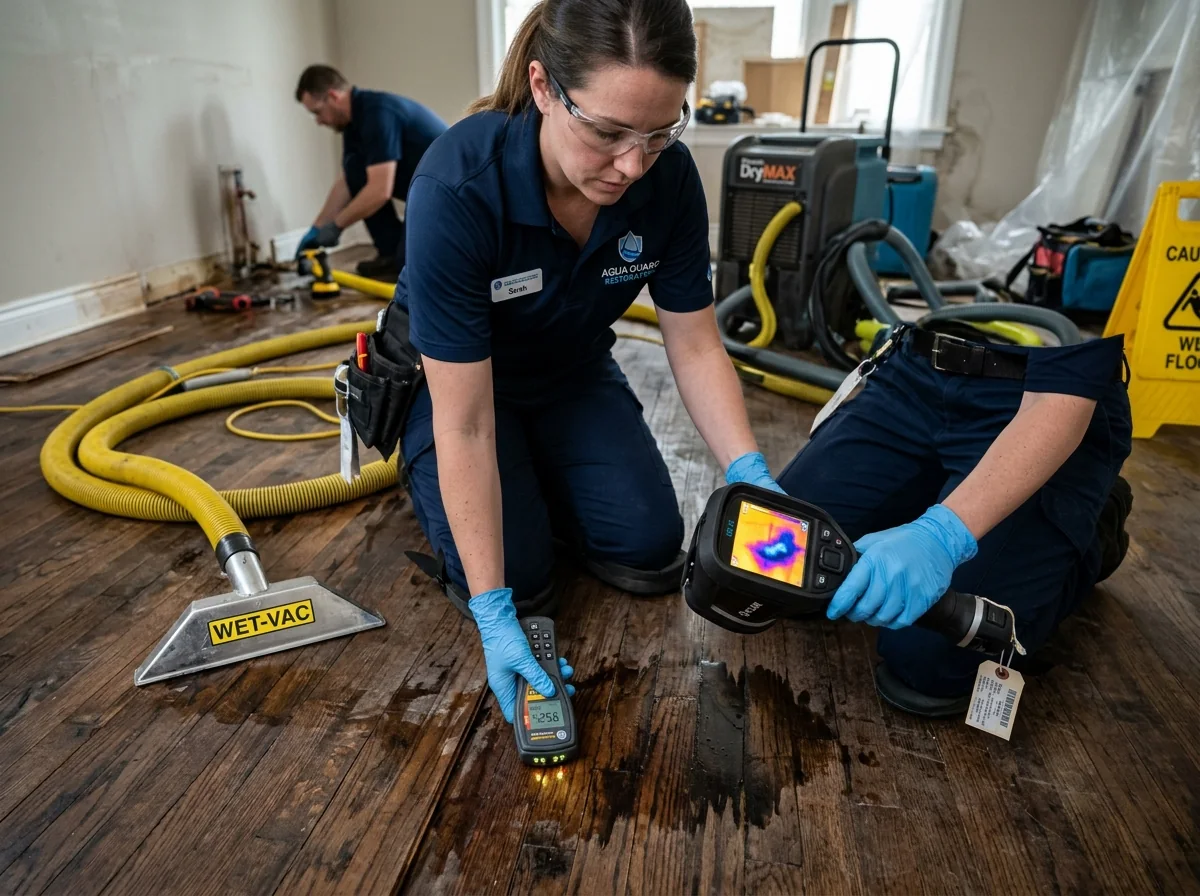
Immediate extraction and moisture mapping for freeze-damaged attic and wall plumbing lines.
Learn Service Details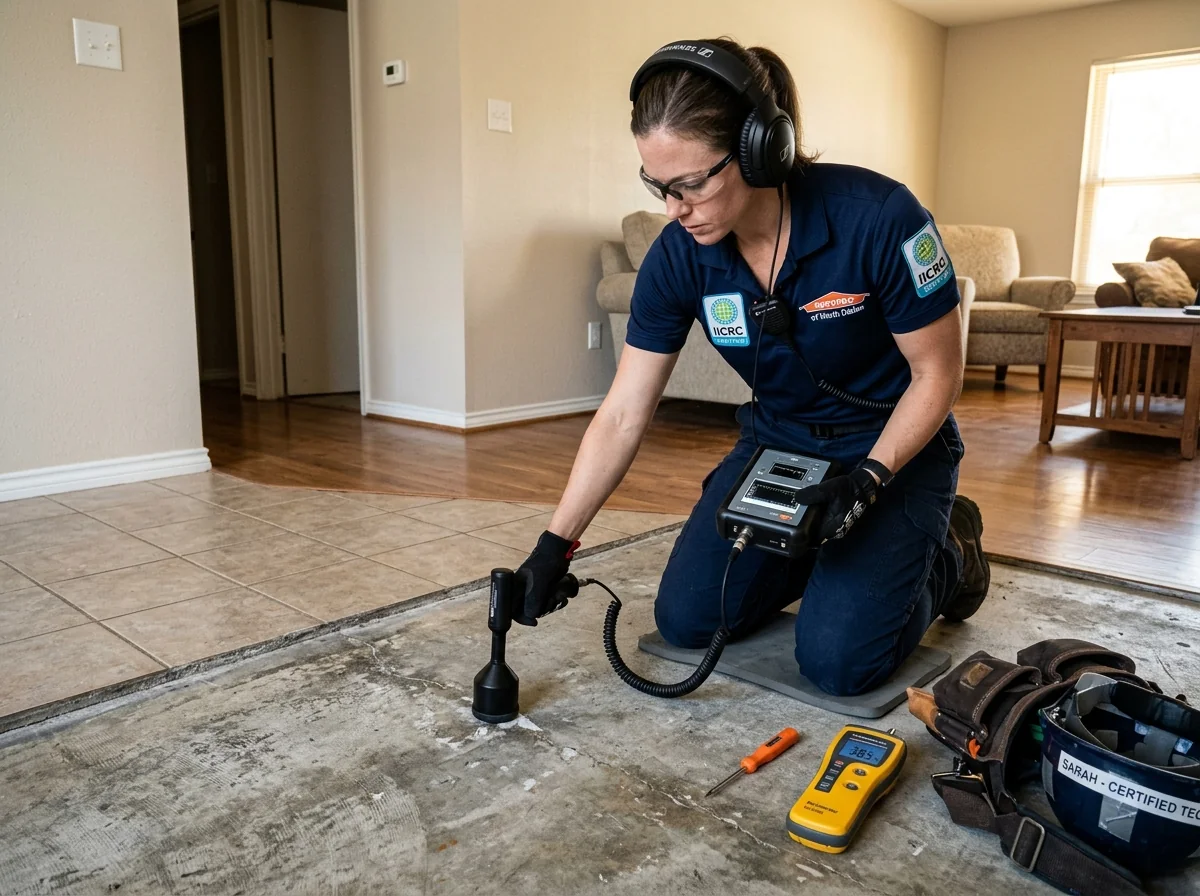
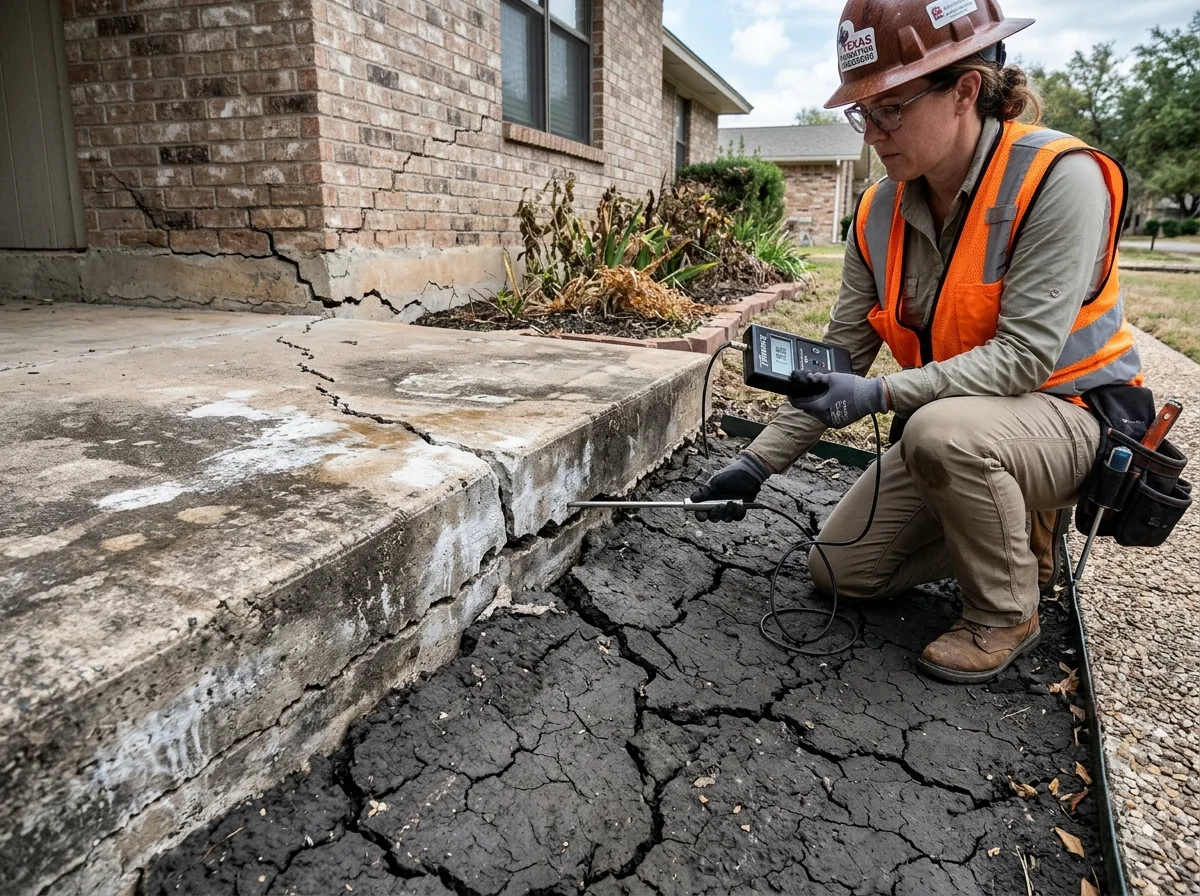
Acoustic detection, sub-foundation drying, and moisture barrier repair for Dallas clay soil shifting.
Learn Service Details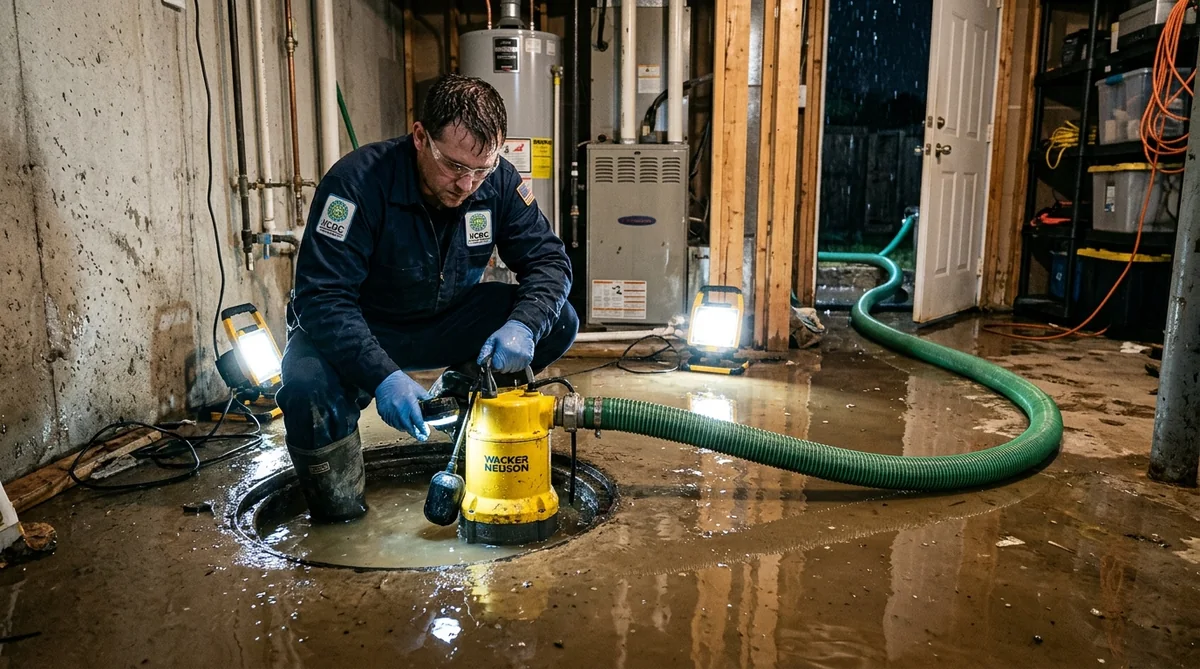
Submersible trash pumping, sump pump failure remediation, and foundation wall dehumidification.
Learn Service Details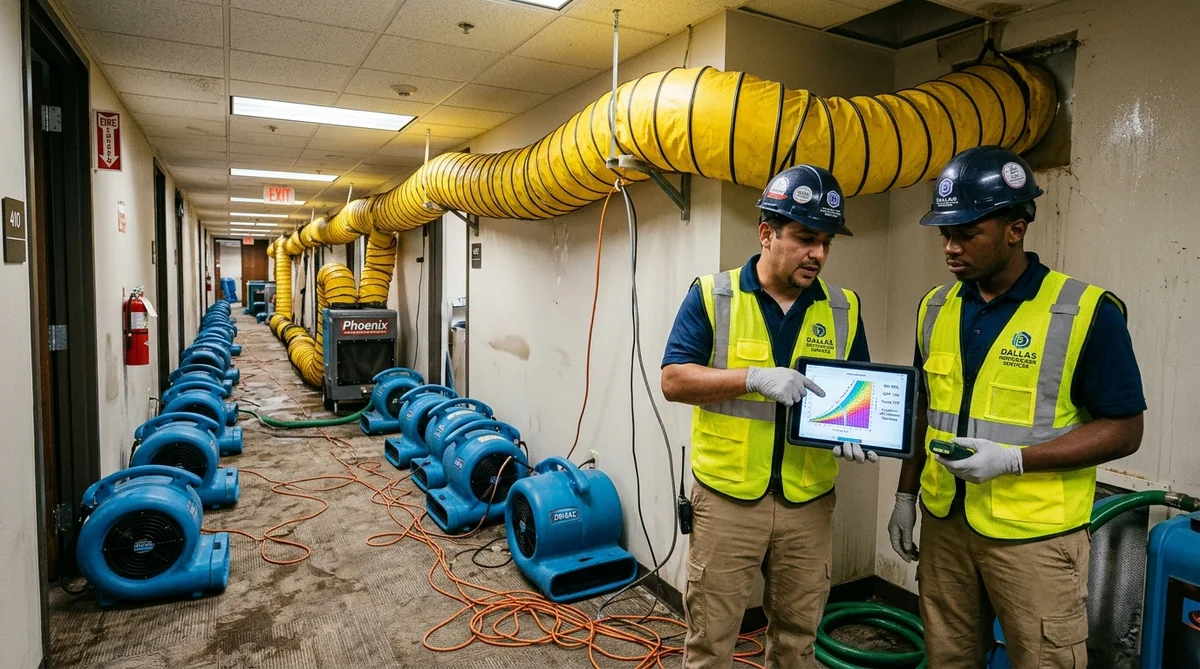
Large-loss industrial desiccant drying, multi-story riser extraction, and business continuity mitigation.
Learn Service Details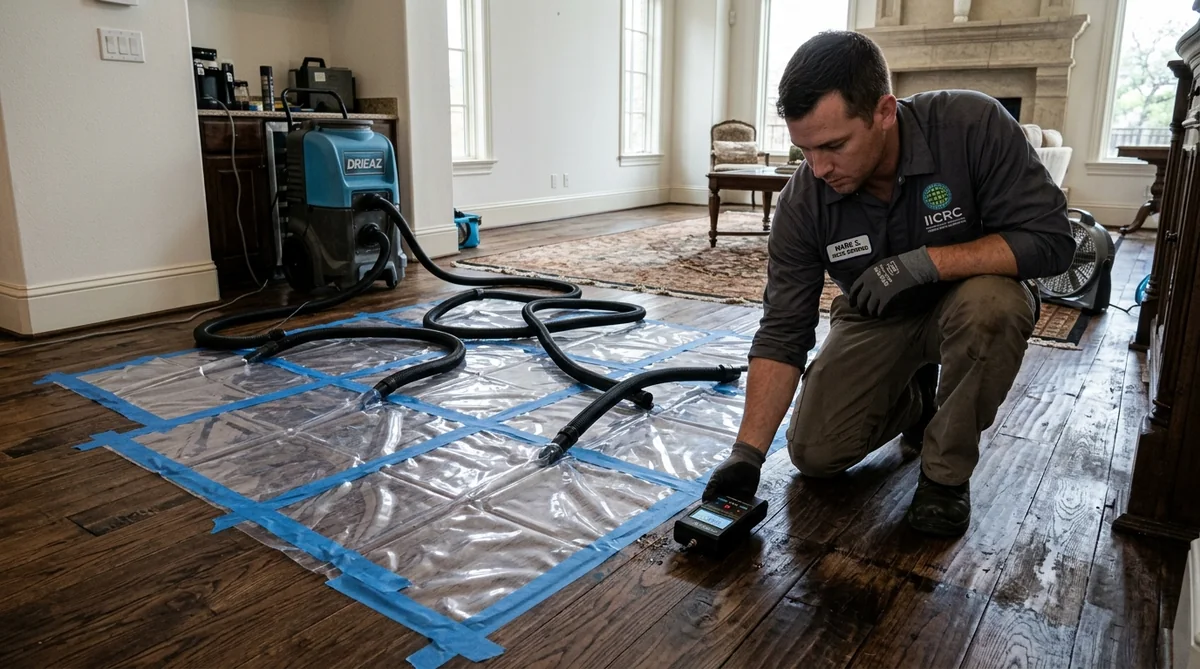
Non-destructive high-vacuum rescue mat extraction to save warped, cupped oak and maple floors.
Learn Service Details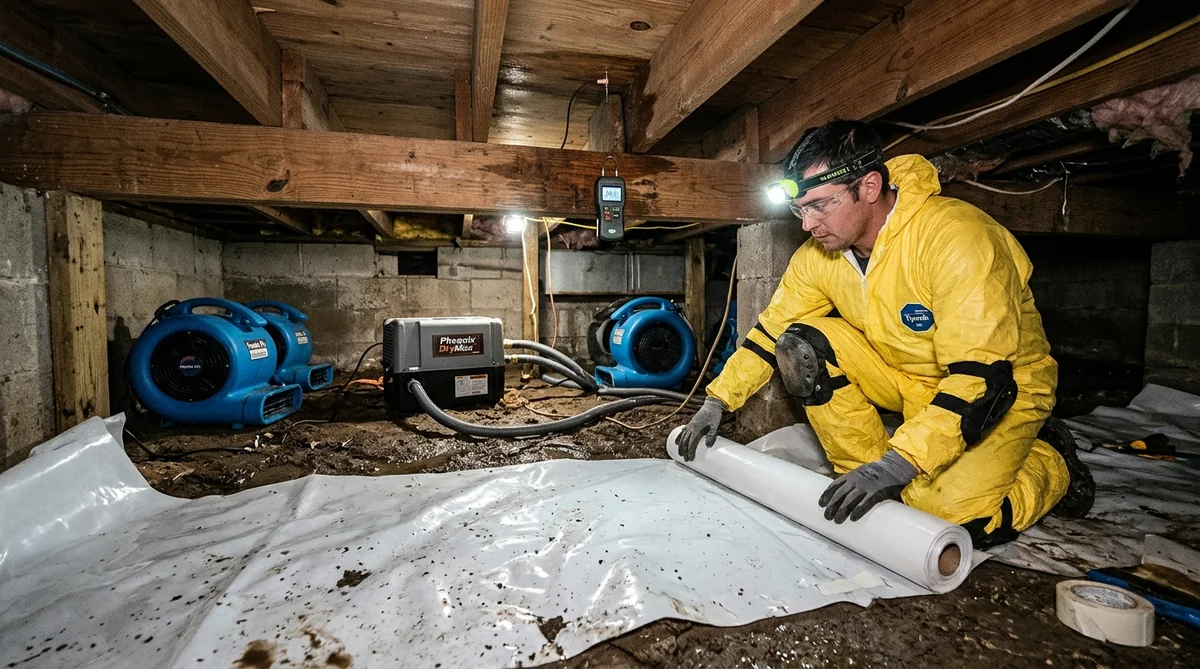
Standing water pump-out, 20-mil vapor barrier encapsulation, and joist wood moisture remediation.
Learn Service Details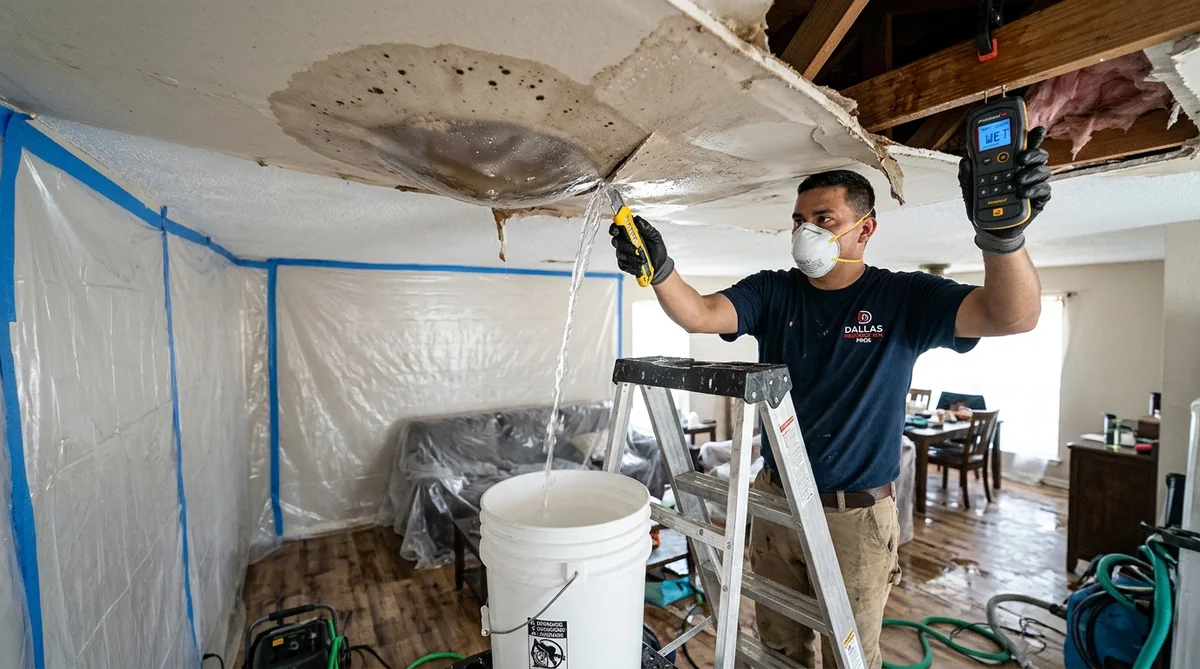
Sagging drywall stabilization, attic insulation removal, and thermal moisture cavity profiling.
Learn Service Details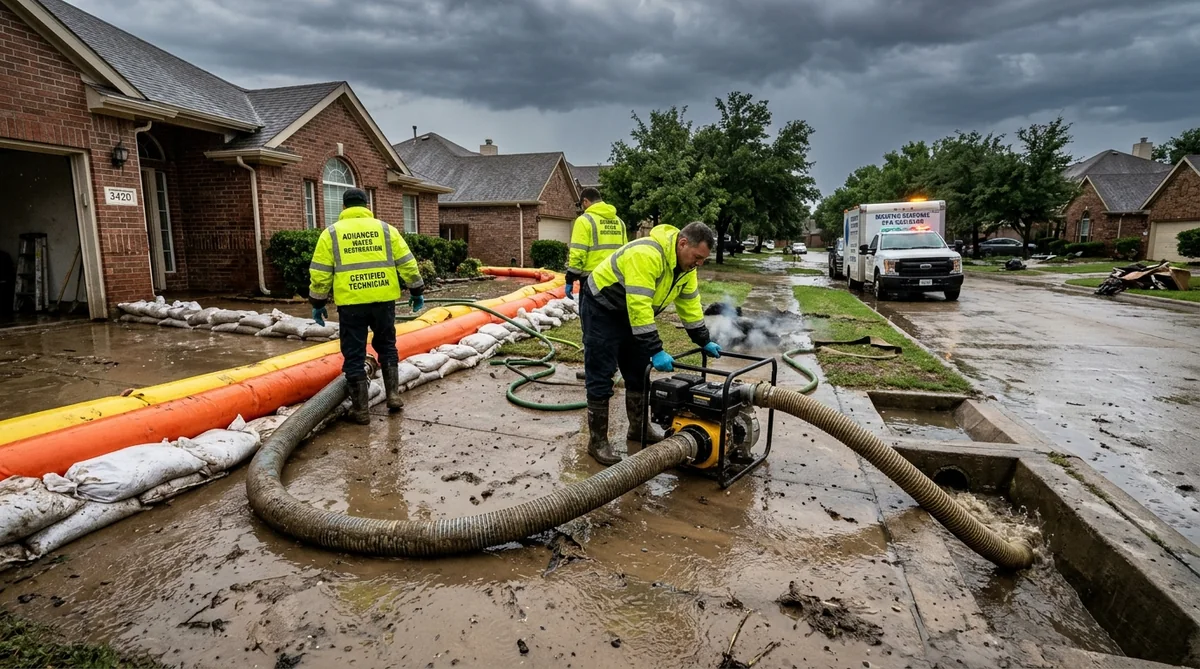
Mud and rainwater bulk extraction, flood barrier staging, and structural sanitization after North Texas storms.
Learn Service Details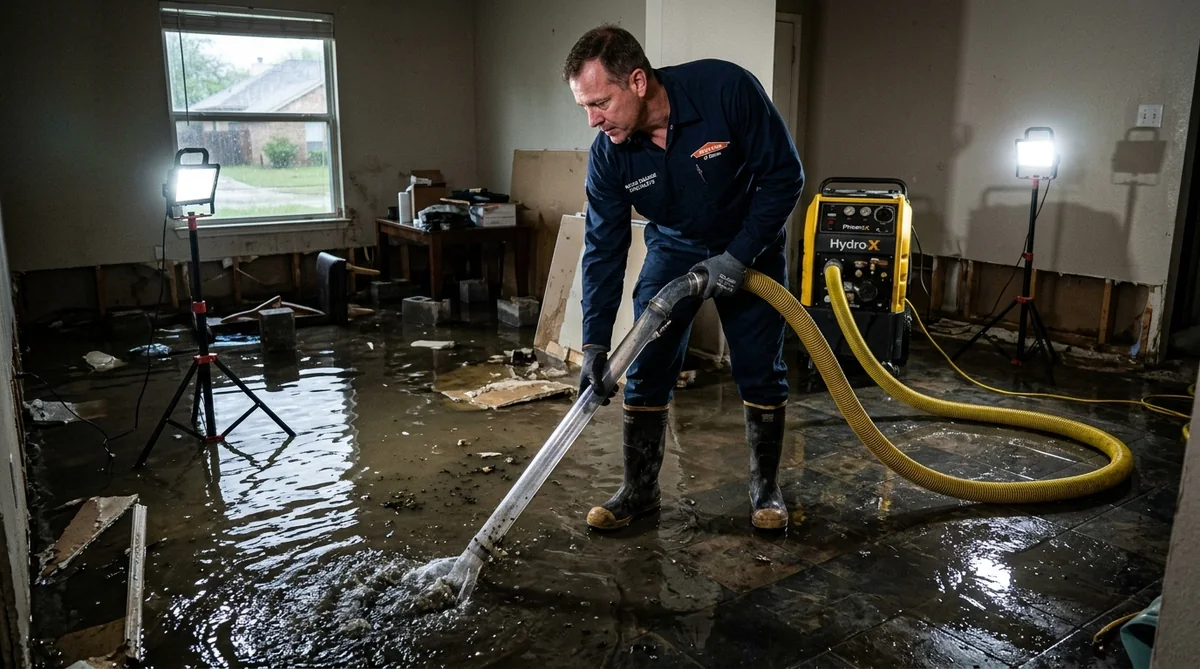
High-volume truck-mounted extraction removing standing water 1,200x faster than ambient evaporation.
Learn Service Details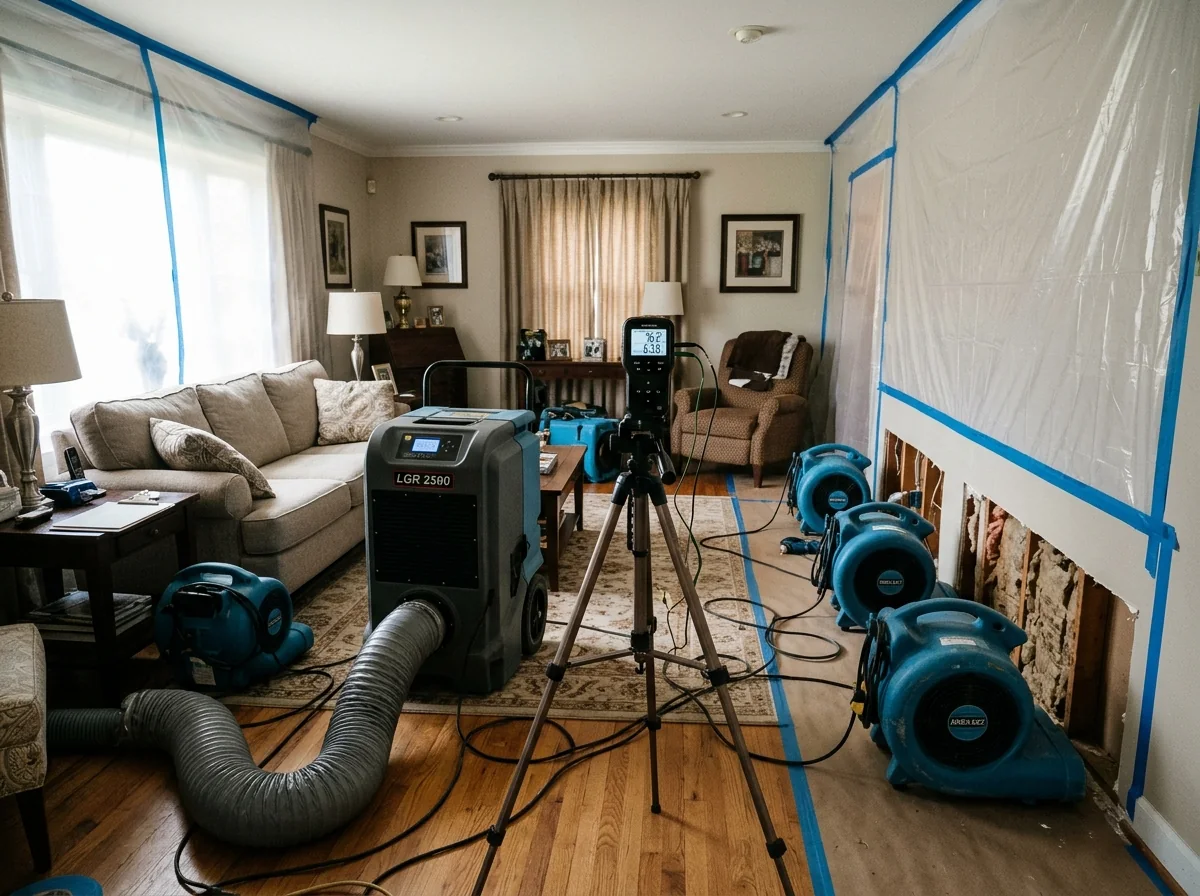
Scientific psychrometric drying curves utilizing industrial LGR 2500 dehumidifiers and axial air movers.
Learn Service Details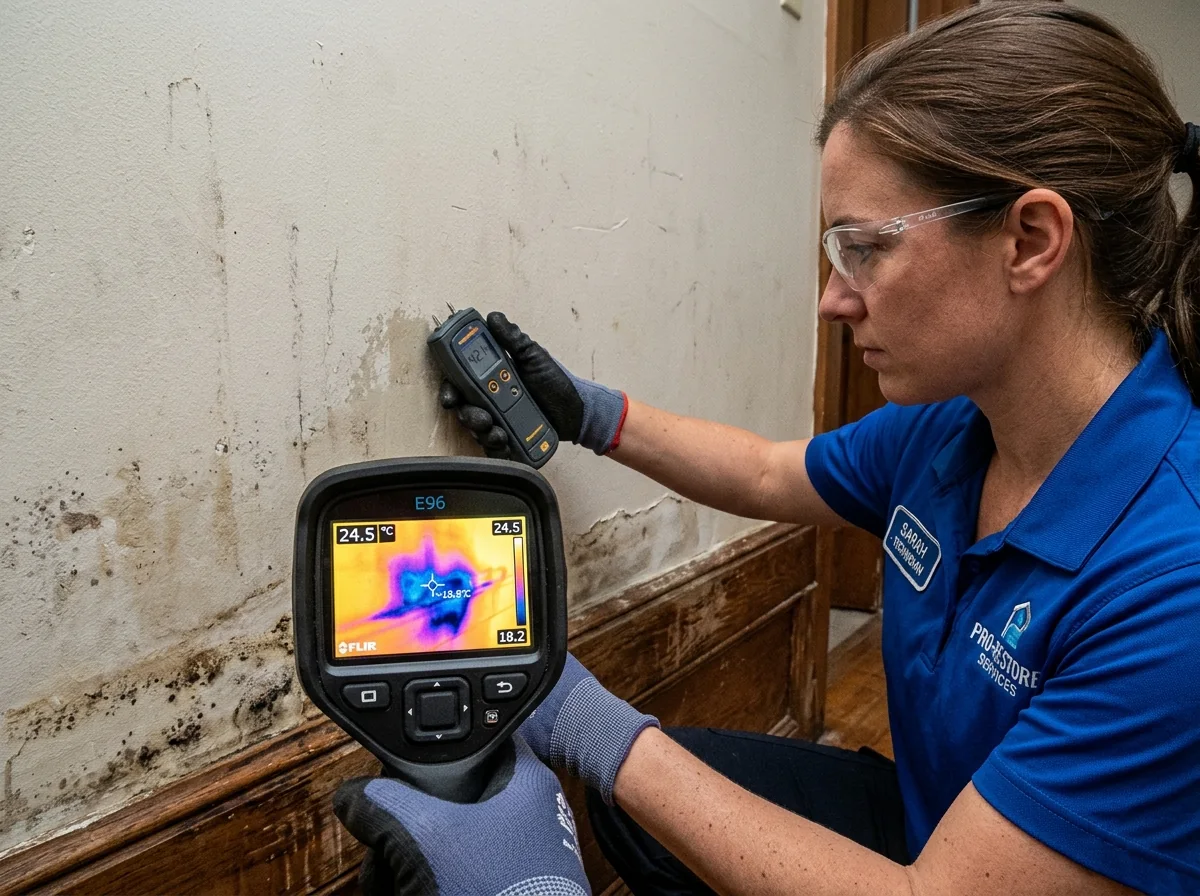
Non-destructive FLIR infrared scanning and digital pinless meters mapping hidden water paths.
Learn Service DetailsUnderstanding the origin and severity of your water intrusion helps our Dallas dispatch team prepare the appropriate extraction units and safety equipment before arriving at your property.
Typical Sources: Ruptured supply lines, broken water heaters, overflowing sink faucets, or punctured refrigerator ice-maker tubing. Clean water contains no substantial contaminants at the moment of release.
Urgency Level: High. If Category 1 water is not extracted and dried within 24 to 48 hours, heat and organic contact quickly elevate it to Category 2 (grey water).
View Water Extraction Procedures →Typical Sources: Washing machine overflow containing detergents, dishwasher drain line failure, or toilet bowl overflow with urine but no solid waste.
Health Hazard: Moderate. Contains biological residues that irritate skin and respiratory systems. Requires antimicrobial sanitizing treatments and rapid dehumidification.
View Containment Protocols →Typical Sources: Municipal sewer main backups, toilet overflows containing feces, standing floodwaters from the Trinity River, or water stagnant for over 72 hours.
Health Hazard: Severe. Contains pathogenic bacteria, viruses, fungi, and chemical contaminants. Full PPE, bio-barrier containment, and porous material removal are required under OSHA rules.
Emergency Sewage Extraction Info →Warning Signs: Unexplained spikes in municipal water bills, warm patches on ceramic tile or laminate, sound of rushing water when faucets are closed, and fine hairline cracks across slab foundations.
Dallas Soil Impact: Texas "black gumbo" expansive clay swells when wet and contracts when dry, putting intense shear stress on copper lines buried beneath concrete slabs.
Slab Leak Moisture Mapping →Warning Signs: Black, dark green, or speckled patches spreading across baseboards, peeling drywall paint, warped window sills, and pervasive earthy odors when HVAC cycles on.
Action Required: Never wipe dry mold with rags or spray bleach indiscriminately—this aerosolizes mycotoxins across rooms. Professional negative air containment and HEPA air scrubbing are necessary.
Certified Mold Remediation Info →Restoration in Dallas is fundamentally different from restoration in coastal or northern markets. The North Texas geology is dominated by the Houston Black clay series—commonly referred to by Dallas structural contractors as "Texas black gumbo." This heavy vertisol clay exhibits extraordinary shrink-swell potential: during hot, rainless Texas summers, the clay dries, cracks, and shrinks away from foundations. When heavy seasonal convective storms strike Dallas, the soil rapidly absorbs moisture and expands with immense hydrostatic force.
This continuous mechanical movement places concrete slabs under severe torsional stress. Copper water supply lines embedded inside or routed beneath the slab experience friction rubbing against aggregate stones and sharp bends. Eventually, hairline pinhole leaks develop. Because the leak is subterranean, thousands of gallons can saturate the soil beneath your home before moisture finally migrates upward through micro-cracks in the concrete, ruining expensive hardwood floors and framing.
Furthermore, Dallas properties frequently endure winter polar vortex events. Unlike homes built in cold northern climates where supply plumbing is confined strictly within thermal envelopes, many North Texas residences feature water lines routed through unconditioned attics and exterior wall framing. When temperatures drop below 20°F, uninsulated PEX or copper pipes freeze, split along seam lines, and burst during the subsequent thaw, pouring up to 500 gallons an hour down through multiple finished levels.
If you suspect a burst pipe or sudden leak, locate your home's main water shutoff valve immediately. In Dallas homes, this is typically located inside the front flowerbed inside a ground meter box or near the water heater in an attached garage. Turning this valve clockwise shuts off municipal flow, preventing hundreds of gallons of additional structural saturation while dispatch teams are en route.
When you call our 24/7 hotline or submit an emergency request, our Dallas coordination team acts instantly to safeguard your property.
Our dispatch coordinator assesses your water source, location, and structural risk. We guide you through emergency water shutoff and deploy the nearest mobile restoration crew in your Dallas ZIP code.
Certified technicians arrive with FLIR thermal imaging and high-volume truck-mounted extraction wands to isolate the breach and remove standing water from floors and wall cavities.
We deploy commercial LGR dehumidifiers and submit complete digital moisture mapping logs directly to your Texas insurance adjuster for seamless claim approval.
Effective mitigation requires commercial-grade psychrometric technology, not household fans. Our Dallas network partners deploy state-of-the-art diagnostic and drying systems built to IICRC S500 standards.
Calibrated FLIR cameras detect cold evaporative thermal patterns inside wall cavities, ceiling voids, and under baseboards without unnecessary demolition.
High-capacity Low-Grain Refrigerant dehumidifiers pull up to 130 pints daily, lowering grain depression so axial air movers pull bound moisture from framing studs.
Sealed negative-pressure drying mats extract trapped water directly through solid wood planks and subfloors, preventing cupping and saving premium hardwood from demolition.
Every emergency call is answered by a live dispatch coordinator and routed to a certified independent local restoration partner. Here is the service standard our network commits to on every job.
No phone trees or overnight answering machines — a live Dallas dispatch coordinator picks up around the clock, including nights, weekends, and holidays.
We refer only licensed, insured restoration crews trained to IICRC S500 water mitigation standards — never unverified out-of-state subcontractors.
For active water emergencies across Dallas County, our network's stated dispatch target is a certified crew at your door within 60 minutes of your call.
Partner crews document moisture readings and photo evidence so mitigation costs are billed to your insurer — not left as surprise invoices.
Mobile restoration vehicles are strategically staged near major Dallas arteries including Central Expressway (US-75), Dallas North Tollway, I-35E Stemmons, and I-30 for rapid response across all verified ZIP codes.
High-pressure commercial water riser failure, chilled water loop leaks, multi-floor apartment supply breaks.
Local Response & Details →Aging cast-iron sewer line failure, brick masonry moisture retention, slow hidden subfloor seepage.
Local Response & Details →Trinity River floodplain runoff, crawlspace water accumulation, tree root invasion in main sewer lines.
Local Response & Details →Braided steel washing machine hose ruptures, water heater leaks in multi-level residential towers.
Local Response & Details →Complex multi-zone HVAC attic condensation line clogs, expansive black gumbo soil slab cracking.
Local Response & Details →Aging galvanized steel plumbing corrosion, pinhole pipe leaks behind historic lath-and-plaster walls.
Local Response & Details →Trinity River flood levee proximity, large slab floor standing water, storm sewer backpressure.
Local Response & Details →Topographical slope drainage issues, older underground clay pipe collapse, bathroom supply line ruptures.
Local Response & Details →Bachman Creek watershed overflow, crawlspace humidity, foundation shifting during severe summer dry spells.
Local Response & Details →Municipal water pressure fluctuations, aging infrastructure, flash storm runoff pooling near foundations.
Local Response & Details →Expansive Houston Black clay soil movement, sheared copper lines beneath concrete foundation slabs.
Local Response & Details →Trinity River tributary drainage surges, foundation settling between old and new construction interfaces.
Local Response & Details →Direct answers to critical questions regarding response windows, insurance coverage, and structural safety.
Every hour of delay allows water to migrate deeper into your walls and subfloors. Speak directly with a local dispatch coordinator now.
(972) 945-2394Average on-site emergency arrival: under 60 minutes across Dallas County