
Foundation Slab Leak Detection & Moisture Mitigation in Dallas, TX
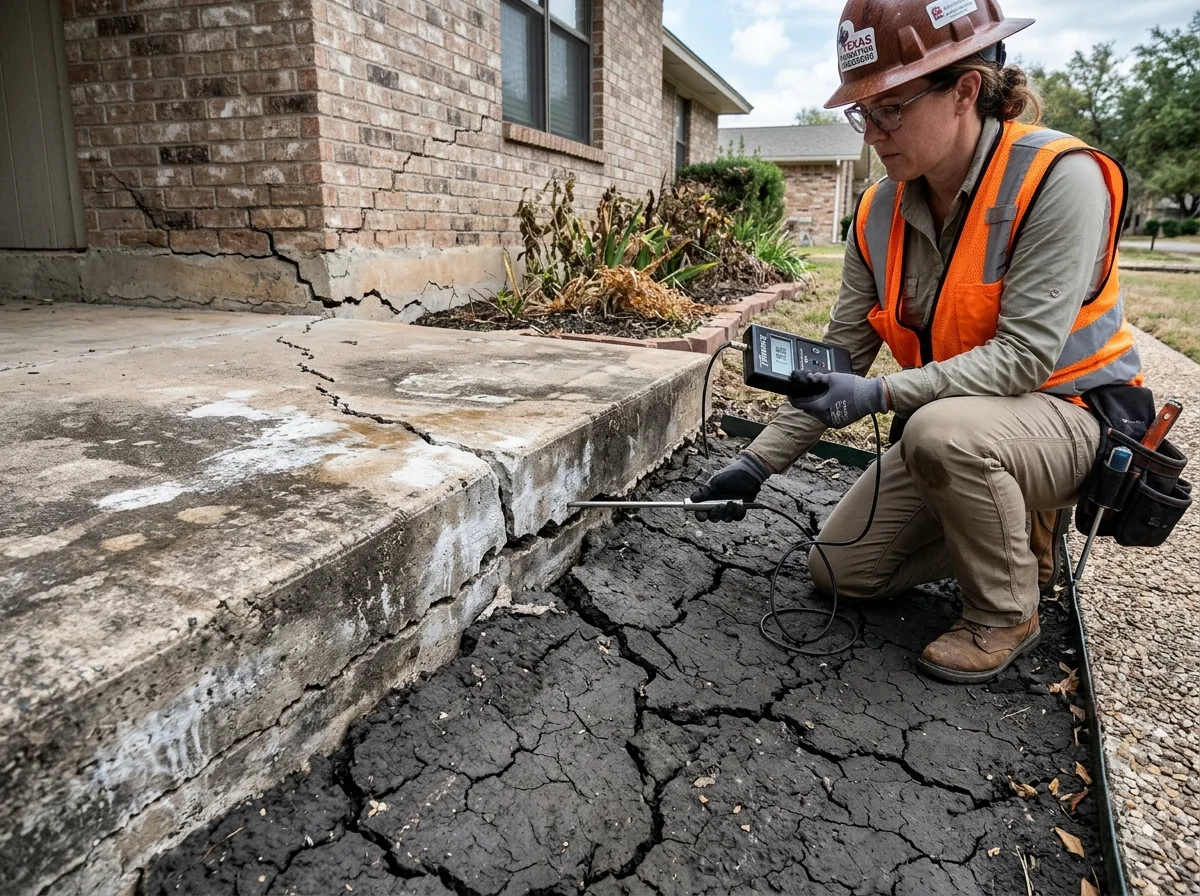
Dallas's expansive vertisol black gumbo clay shifts continuously between droughts and downpours, placing immense shear stress on copper pipes buried beneath concrete foundation slabs.
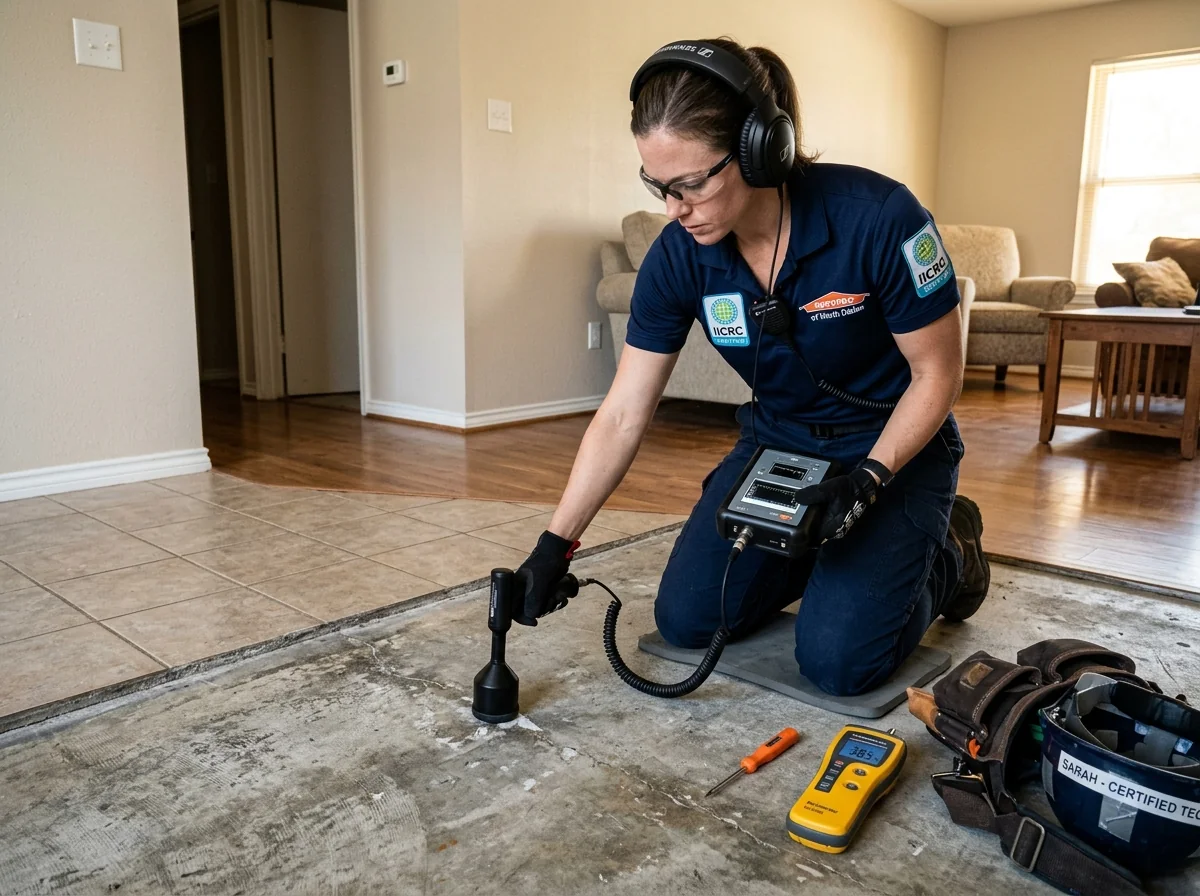
Certified emergency crews staged across all 50 Dallas ZIP codes.
Professional Slab Leak Water Damage Repair Procedures & Engineering Standards
Water and environmental emergencies in Dallas homes require far more than superficial wet vacuuming. When you contact our 24/7 dispatch desk for water damage restoration experts across Dallas, TX, you activate a coordinated response protocol engineered around the Institute of Inspection, Cleaning and Restoration Certification (IICRC) S500 standard for professional water damage restoration and S520 standard for mold remediation.
Our network partners utilize commercial-grade moisture detection and structural extraction technologies. Using calibrated FLIR infrared thermal imaging cameras, technicians map temperature gradients caused by evaporative cooling to identify moisture trapped behind plaster, sheetrock, and subflooring without causing destructive demolition. In Dallas neighborhoods like Uptown, Highland Park, and Lake Highlands, swift thermal profiling prevents secondary moisture damage to luxury wood finishes and custom cabinetry.
Primary Causes of Slab Leak Water Damage Repair in Dallas County
Properties across North Texas face severe environmental challenges stemming from expansive vertisol clay soil and drastic temperature fluctuations. Frequent causes encountered by local dispatch teams include:
- Expansive Texas black gumbo soil shifting and shearing copper lines embedded in concrete
- Electrolytic corrosion between copper pipes and chemical minerals in North Texas soils
- Friction wear from hot water thermal expansion against rough foundation aggregate
- High water pressure surges causing pipe joints to fail beneath foundation grade
- Poor initial pipe installation lacking protective sleeving through concrete penetrations
The 5-Step Mitigation & Extraction Methodology
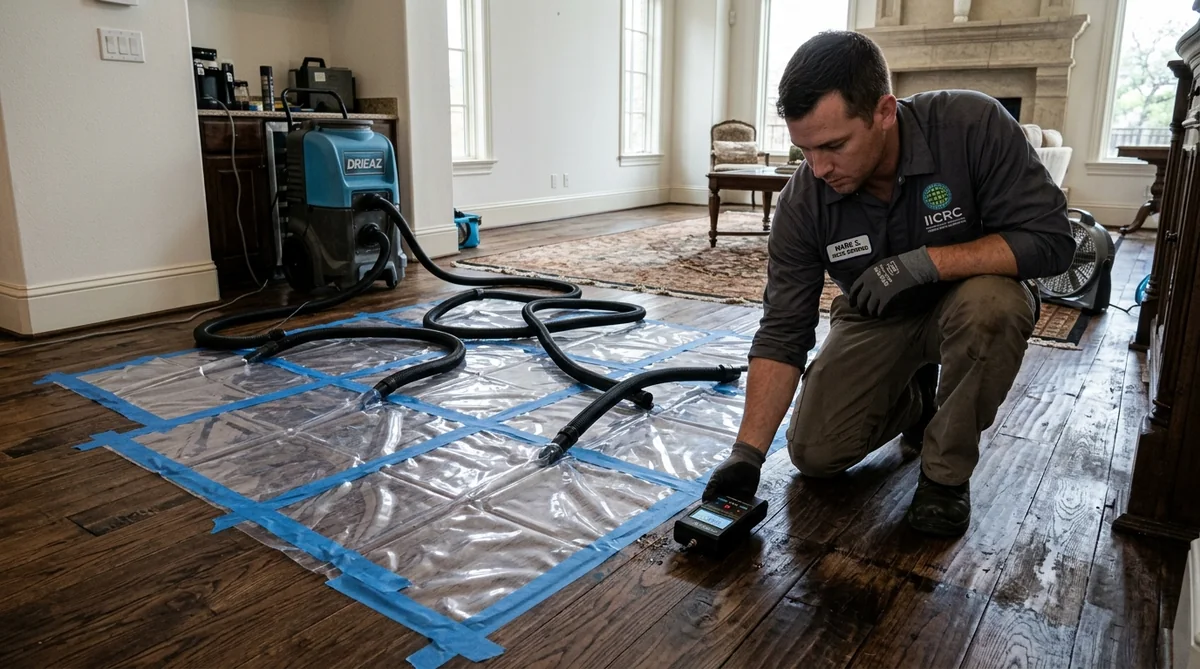
Every property restoration follows a disciplined psychrometric drying curve designed to remove moisture as rapidly as physics permits:
| Phase | Action & Equipment | Objective & Deliverable |
|---|---|---|
| Phase 1: Inspection | FLIR thermal cameras, pinless moisture meters | Generate complete moisture map & determine water category |
| Phase 2: Bulk Extraction | Truck-mounted extraction units, weighted rover extractors | Remove standing water (1,200x faster than evaporation) |
| Phase 3: Sanitization | EPA-registered hospital-grade antimicrobial foggers | Prevent bacterial proliferation and eliminate microbial spores |
| Phase 4: Airflow & Dehumidification | LGR commercial dehumidifiers, axial air movers | Lower grain depression and pull moisture from framing studs |
| Phase 5: Final Clearance | Equilibrium moisture verification logs | Certify return to dry standard (under 12% moisture content) |
Safe Pre-Arrival Checklist for Dallas Property Owners
- Shut Off the Water Source: Turn off the main water shutoff valve immediately (usually located near the front street meter box or inside the garage).
- Electrical Precaution: If water has contacted electrical outlets, baseboard heaters, or wiring, switch off circuit breakers to affected rooms from your main electrical panel.
- Elevate Porous Belongings: Place aluminum foil or plastic wrap beneath furniture legs standing on damp carpeting to prevent wood stain transfer.
- Avoid Dangerous DIY Equipment: Never use a standard household vacuum to suck up water—this poses an extreme risk of electrocution and motor burnout.
- Document the Incident: Take preliminary smartphone photos and video of standing water levels before mitigation crews arrive to support your insurance claim.
Frequently Asked Questions: Slab Leak Water Damage Repair
What are the most common signs of a slab leak in Dallas?
How do technicians pinpoint a leak beneath a concrete foundation?
Can a slab leak compromise the structural foundation of my home?
Dallas Neighborhoods Served with Rapid Response:
Our dispatch network covers all 50 Dallas ZIP codes. View complete neighborhood coverage directory →
Call Dallas Water Damage Dispatch Now
One call connects you with a live dispatch coordinator who triages your water emergency and routes a certified independent local restoration partner to your property — with a 60-minute on-site target across Dallas County.
Additional Emergency Services in Dallas
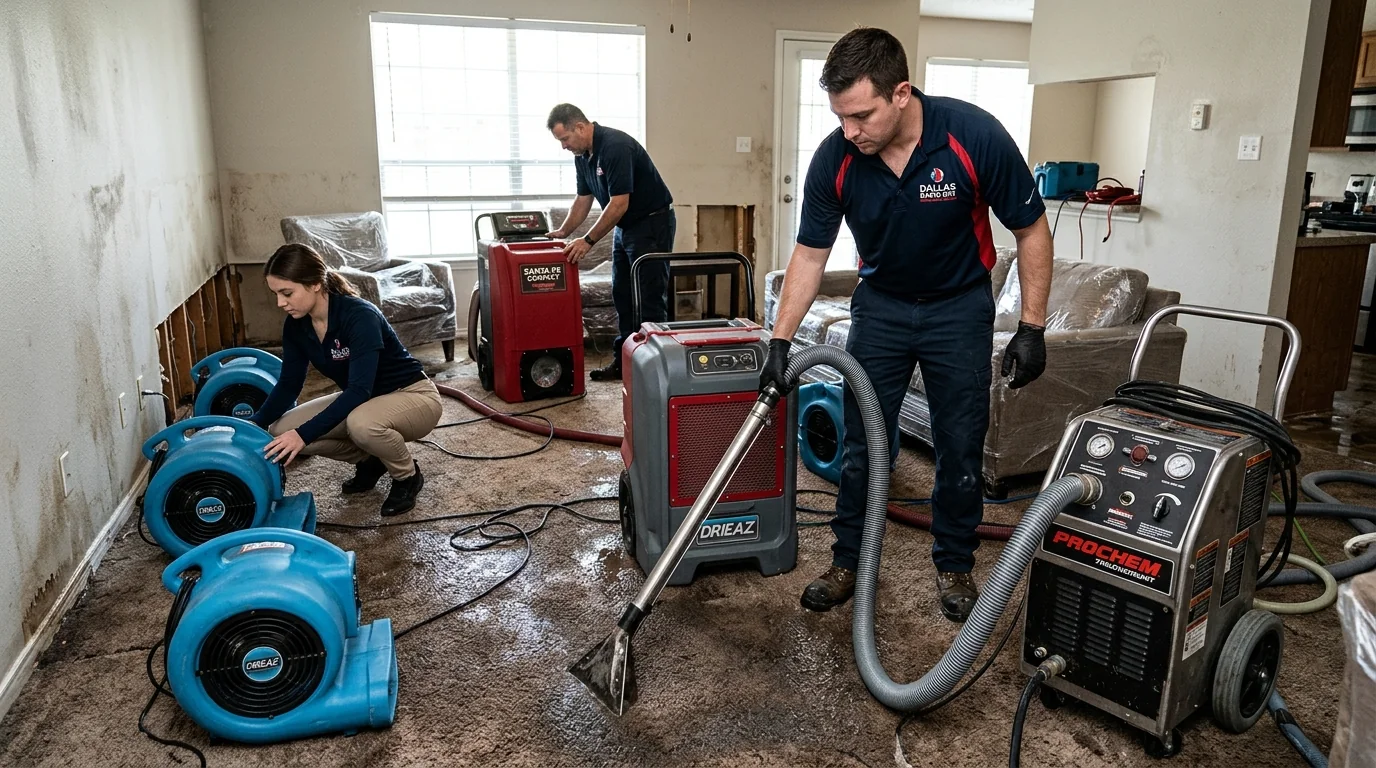
Water Damage Restoration
24/7 rapid water extraction, structural thermal drying, and moisture mitigation across Dallas.
Service Guide →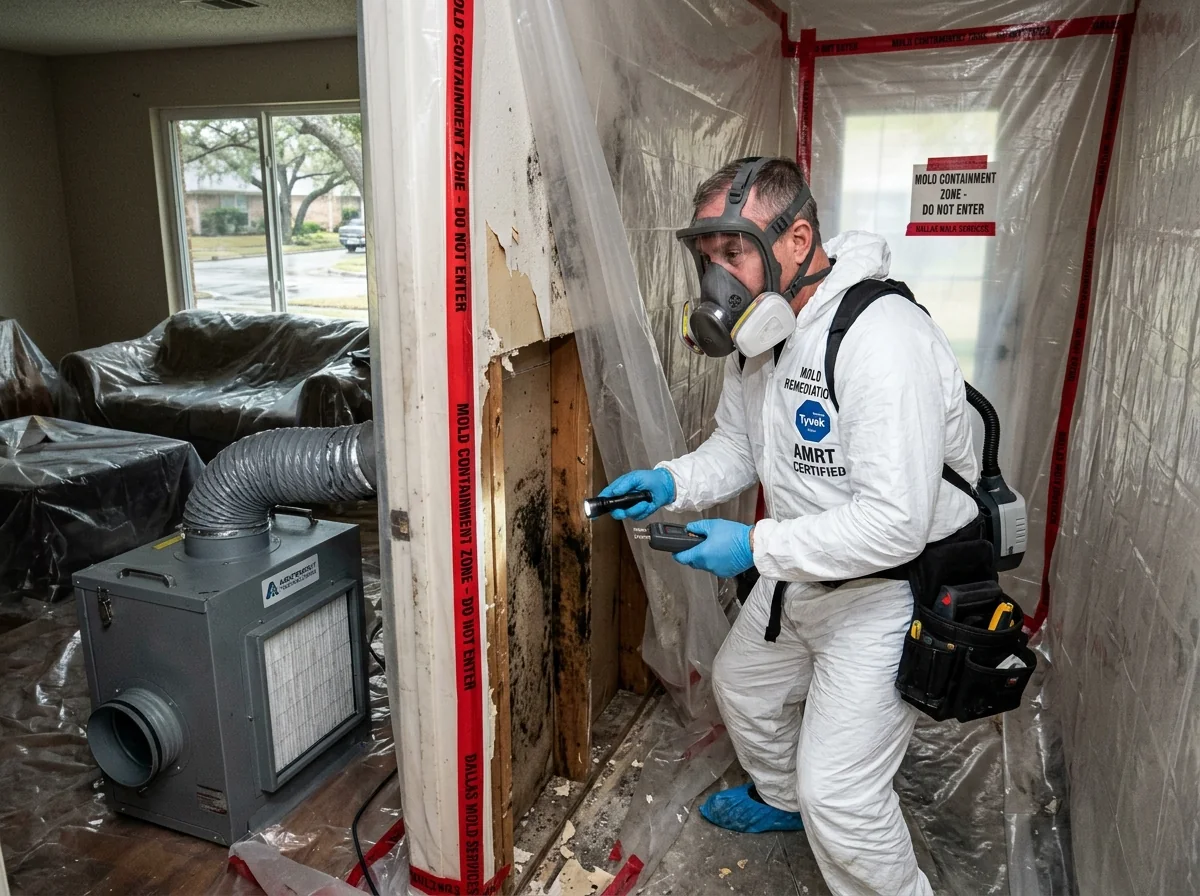
Mold Removal & Remediation
IICRC-certified containment, negative air HEPA filtration, and antimicrobial spore clearance.
Service Guide →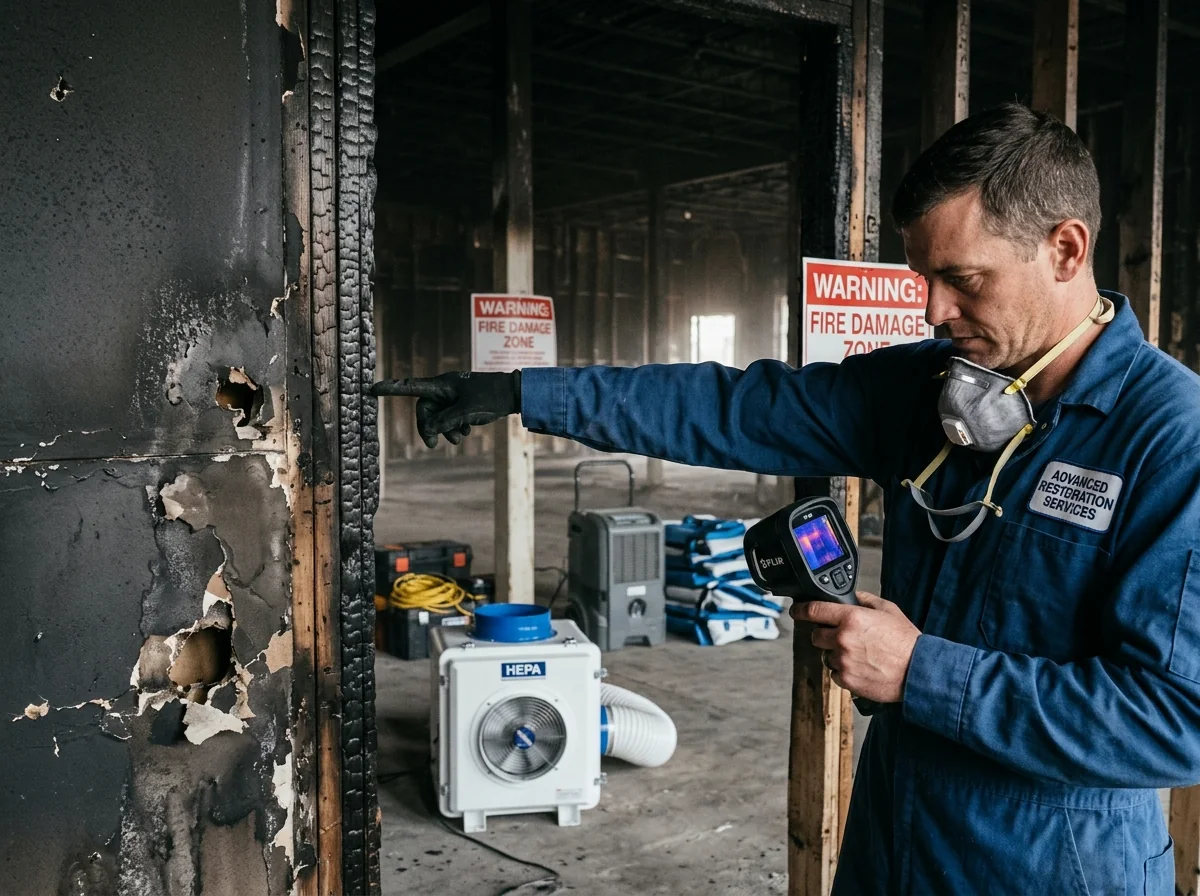
Fire & Smoke Damage Restoration
Thermal soot removal, structural timber stabilization, and ozone smoke odor elimination.
Service Guide →